The best portable projectors balance easy transport with the setup, brightness, and connectivity you need for your viewing space. These picks range from a pocket-sized DLP model to smart projectors with native apps, so choose by where and how you plan to watch.
Quick Top Products
TMY 4K Projector with WiFi Bluetooth
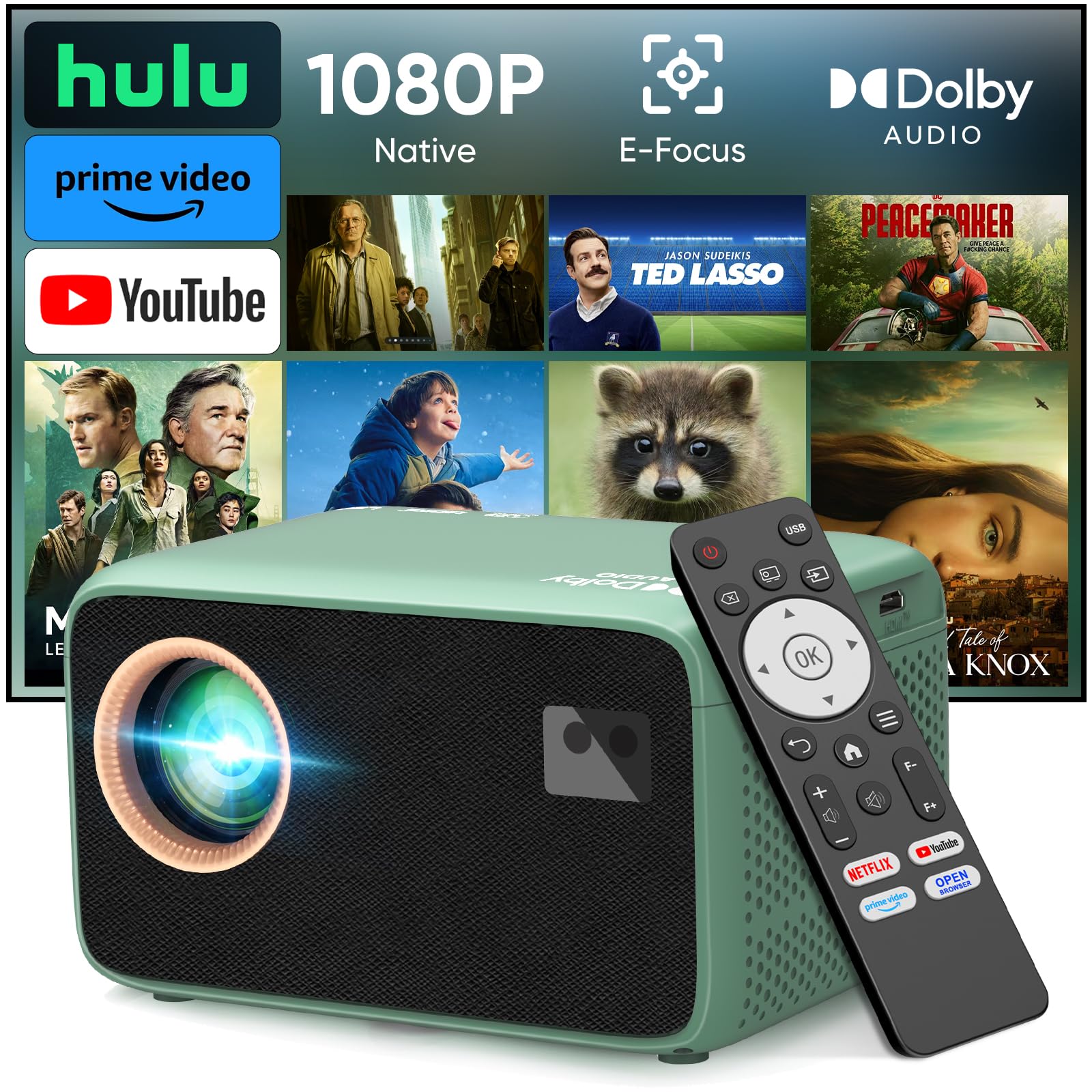
- Native 1080P resolution and 1500 ANSI lumens suit flexible viewing.
- Netflix, Prime Video, and YouTube are preinstalled.
- Auto keystone correction and remote focus simplify setup.
Best For: People who want preinstalled streaming apps and automatic setup for home or campsite viewing.

Lisowod L02 Smart Projector
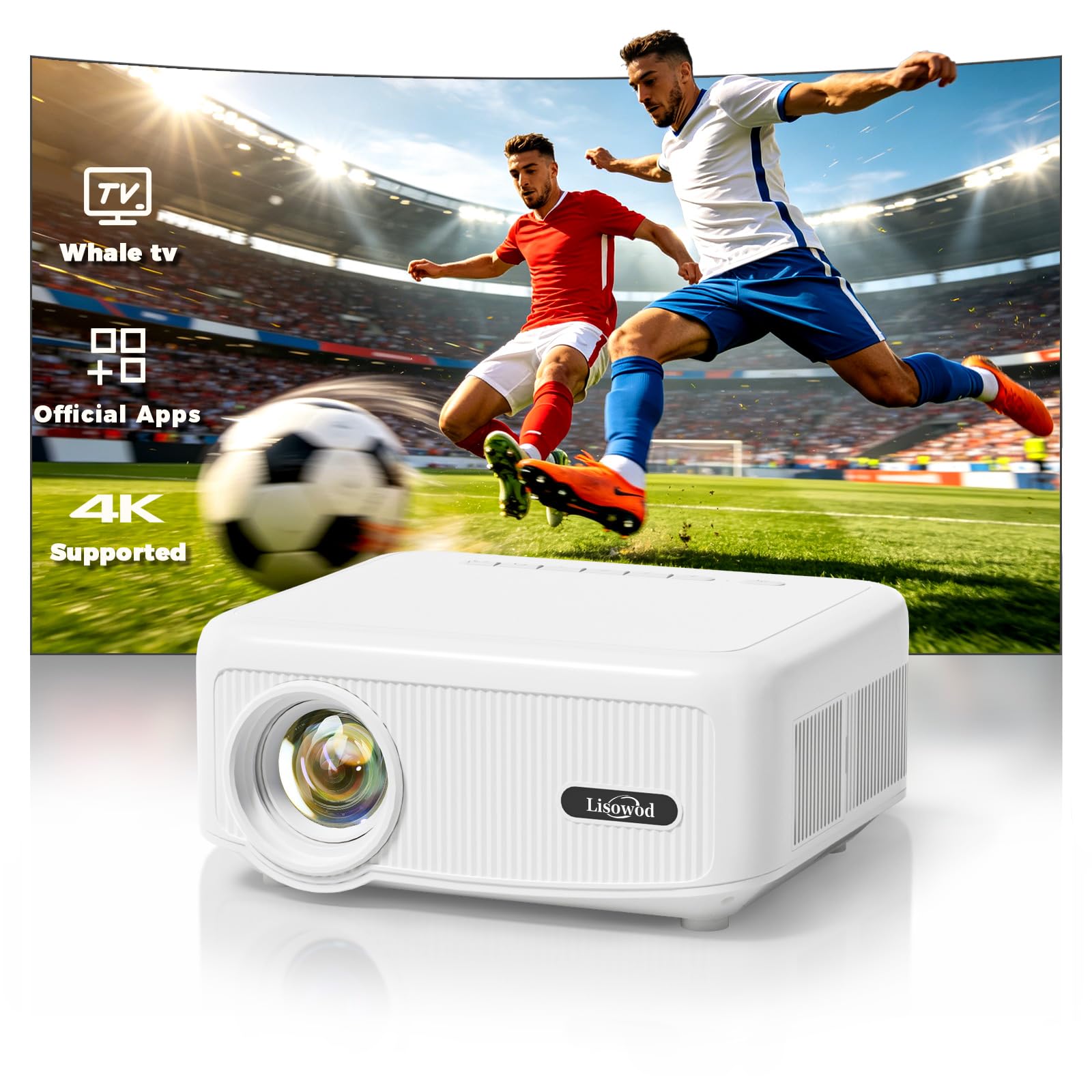
- Whale OS 3.0 and a built-in store provide access to native apps.
- Native 1080P resolution is distinct from its HDMI 4K decoding support.
- Electric focus and auto keystone help adjust the picture remotely.
Best For: Viewers who want native apps, wireless connections, and remote focus and keystone adjustments.
TMY 1080P Full HD Portable Mini Projector
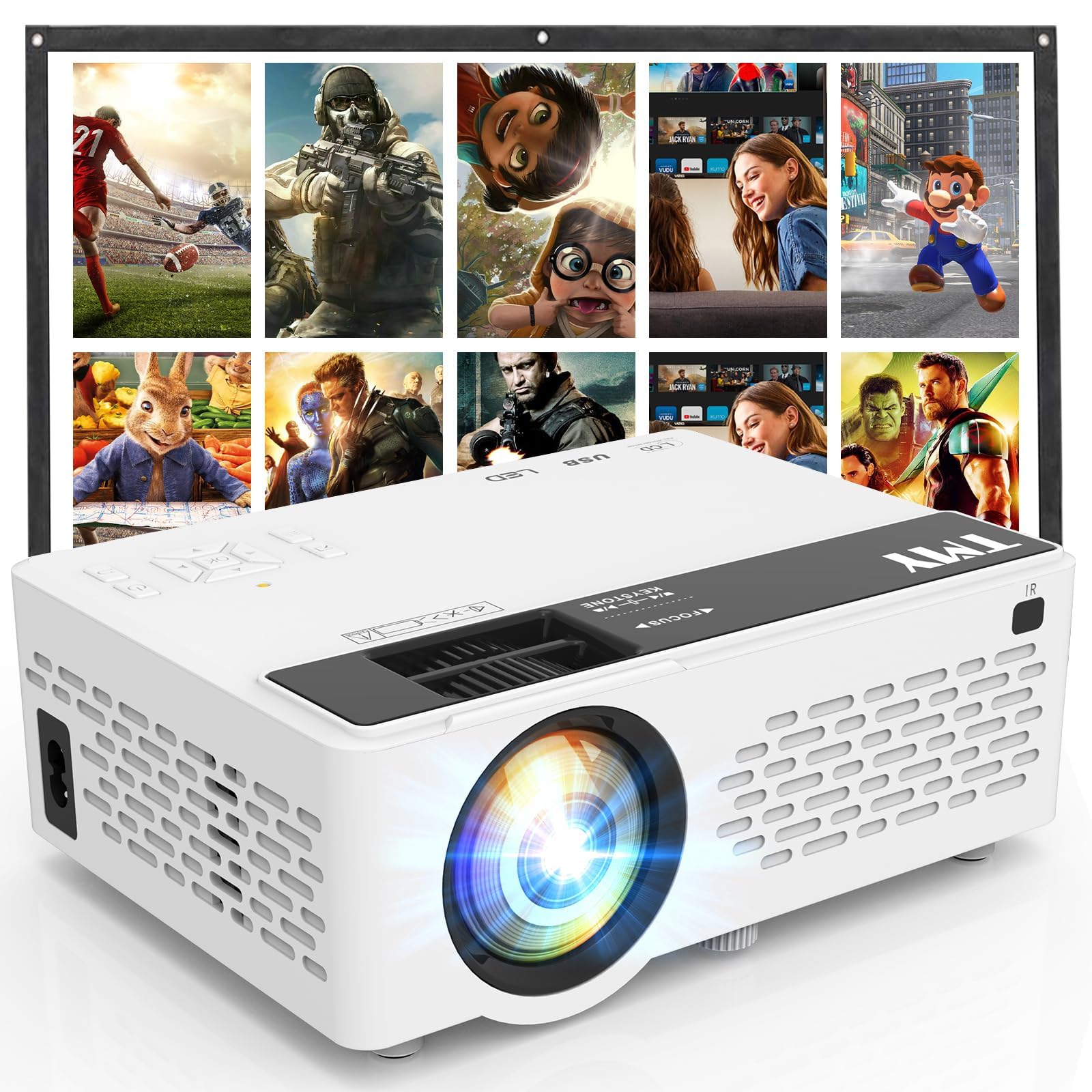
- An 80-inch foldable projection screen is included.
- The projector supports 1080P Full HD video.
- Bluetooth can connect to external audio or work in speaker mode.
Best For: Movie-night hosts who want a basic portable projector bundled with a foldable screen.
Kodak Ultra Mini Portable Projector
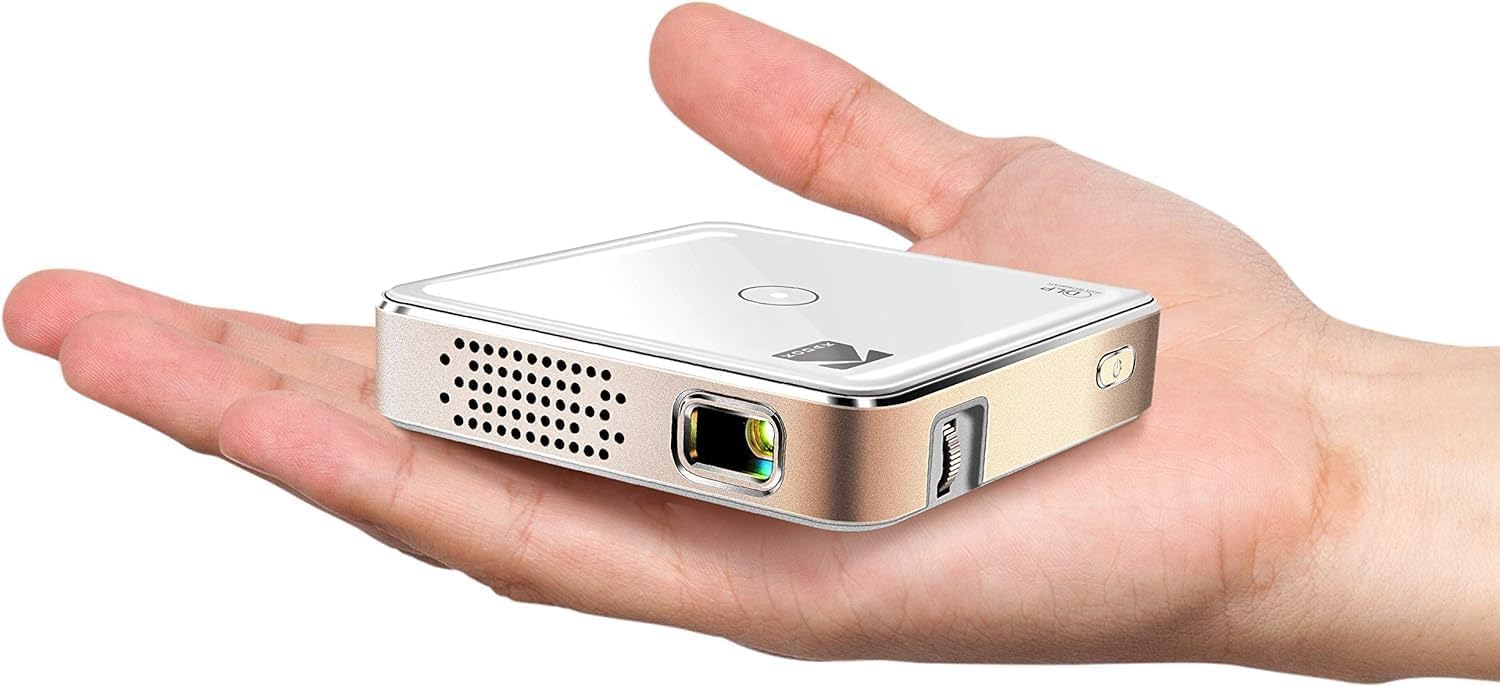
- The palm-sized DLP design is made for easy carrying.
- It has HDMI, USB, MicroSD, and a 3.5mm input.
- Its best performance is in dark to dim-lit rooms.
Best For: Travelers who value a palm-sized projector for dim-room viewing and have an HDMI-compatible source.
Optoma GT2000HDR Laser Projector
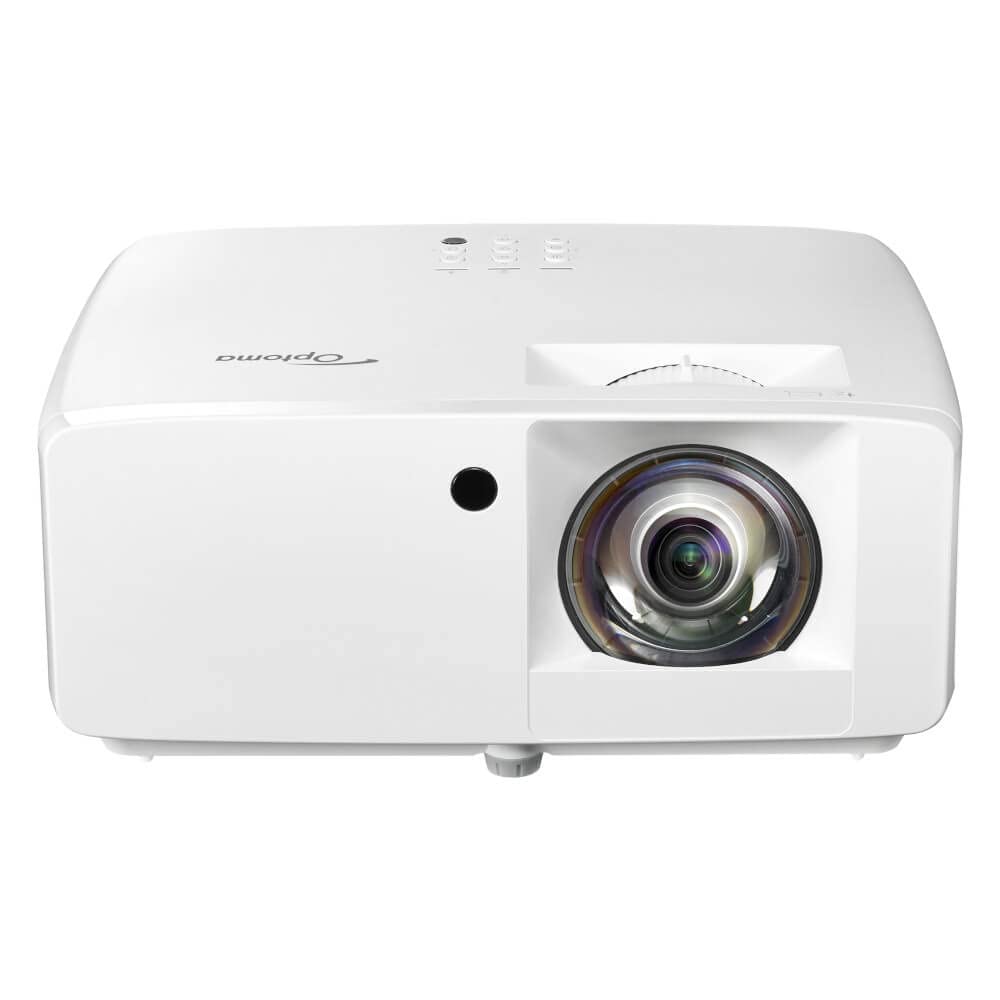
- Short-throw design suits home spaces with constrained projector placement.
- The catalog title specifies 3500 lumens and 1080p.
- An external power supply is part of the setup.
Best For: Buyers seeking a compact short-throw projector for a fixed home viewing space.
Smart Streaming for Indoor and Outdoor Use
TMY 4K Projector with WiFi Bluetooth, Compatible with Netflix/Prime Video/YouTube, Outdoor Portable Home Theater Movie Projector, Smart Projector for Indoor Outdoor Movies, Gaming and Camping (Green)
This TMY projector combines native 1080P resolution with 1500 ANSI lumens and built-in WiFi and Bluetooth. Netflix, Prime Video, and YouTube are preinstalled, so streaming does not require a separate stick.
Auto keystone correction and remote focus help with setup when the projector moves between rooms or outdoor movie spots. Its compact design supports images up to 300 inches, though the actual viewing experience depends on the room and screen setup.
It also has HDMI and USB for consoles and other devices. Consider whether you need its smart features, or would rather carry a simpler projector and use an external source.
Best For: People who want preinstalled streaming apps and automatic setup for home or campsite viewing.
| Pros | Cons |
|---|---|
|
|
Choose this model if you want a portable projector with streaming apps already installed and setup aids for moving between spaces. Its native 1080P resolution and listed brightness give useful specification points to compare, while its smart features reduce dependence on extra gear.
Check its physical weight and dimensions before planning regular travel, since those details are not provided here. Also decide whether you will use built-in audio or pair Bluetooth speakers for your room or outdoor setup.
Built-In Apps with Electric Focus
Outdoor Projector [Ultra Brightness & Official Apps] Movie Projector 4K, Electric Focus & 4P Keystone, Lisowod L02 Smart Projector with WiFi and BT, Portable Proyector for Backyard & Home Cinema
The Lisowod L02 pairs a native 1080P image with Whale OS 3.0 and access to 1000+ native apps. Its built-in store is officially compatible with Netflix, YouTube, and Hulu, making it suited to viewers who want an app-based setup.
Electric focus, auto vertical keystone, manual four-point adjustment, and digital zoom provide several ways to fit the image to a room. It supports 4K video decoding through HDMI; the projector's native resolution is 1080P.
WiFi 6 and Bluetooth 5.4 support wireless connectivity. Check the device's size and weight if transport is a priority, as those details are not given.
Best For: Viewers who want native apps, wireless connections, and remote focus and keystone adjustments.
| Pros | Cons |
|---|---|
|
|
This is a good fit if you value built-in app access and remote picture adjustment for a flexible room setup. Its connection options and image adjustments give it more setup flexibility than a basic plug-in model, but the stated native resolution is 1080P even though it decodes 4K video through HDMI.
Confirm that distinction matches your expectations. Since portability is part of your choice, check the projector's physical dimensions and weight before buying.
Includes a Foldable Projection Screen
TMY 1080P Full HD Portable Mini Projector, Bluetooth Movie Projector, Compatible with TV Stick/Smartphone/PC/Game Console/HDMI/USB, Indoor & Outdoor Use, with Projector Screen
TMY's V08 is a compact home and outdoor projector that supports 1080P Full HD video and includes an 80-inch foldable screen. The screen makes it easier to plan a movie night without sourcing a separate projection surface, and it folds for storage and travel.
Built-in HDMI and USB ports connect to streaming sticks, computers, and game consoles. For phone or tablet connections, an HDMI adapter may be needed and is not included.
The projector supports image sizes from 32 to 220 inches, with projection distances between 1.5 and 6 meters. Check the included screen size against your intended viewing group and setup space.
Best For: Movie-night hosts who want a basic portable projector bundled with a foldable screen.
| Pros | Cons |
|---|---|
|
|
Choose the V08 if having a screen in the box matters more than built-in streaming apps. Its HDMI and USB ports cover a range of sources, while Bluetooth gives you options for audio.
Keep in mind that phone connections may need a separate adapter, and the included 80-inch screen sets a known starting point for your setup. Check the actual projector dimensions and weight before carrying it on trips, since those specifications are not provided.
Pocket-Size DLP for Dark Rooms
Kodak Ultra Mini Portable Projector - HD 1080p Support LED DLP Rechargeable Pico - 100 Display Built-in Speaker - HDMI USB and Micro SD - Compatible with iPhone iPad Android Phones"
Kodak's Ultra Mini is a palm-sized DLP projector designed to slip into a handbag, briefcase, or back pocket. It has a built-in speaker, a 3.5mm input, and HDMI, USB, and MicroSD connections, so it can work with several source types without needing a full-size setup.
The product supports 1080P input, while its compact format makes it a distinct choice for portability. Its best performance is described for dark to dim-lit rooms, so plan to control ambient light when watching.
Check your phone or tablet's HDMI compatibility and required adapter before relying on direct connection.
Best For: Travelers who value a palm-sized projector for dim-room viewing and have an HDMI-compatible source.
| Pros | Cons |
|---|---|
|
|
Pick the Kodak when minimizing what you carry matters more than getting a larger, brighter setup. Its compact form and several input options suit travel, presentations, or casual viewing with compatible sources.
Its dark-room performance note makes room lighting an important part of the decision. The title calls it rechargeable, but no battery runtime is given, so check how long it can operate between charges if you need viewing away from power.
Short-Throw Home Setup
Optoma GT2000HDR Ultra-Compact Short Throw Full HD Home Laser Projector
The Optoma GT2000HDR is a compact short-throw Full HD home laser projector with 3500 lumens. Its short-throw design is useful to consider when a viewing space has limited room between the projector and screen.
It is less travel-focused than the pocket-size Kodak or compact smart models, and the supplied details emphasize home use rather than battery-powered operation. The title identifies Full HD, while the catalog title specifies 1080p.
Check the throw distance and screen size needed for your room before choosing it, since those setup dimensions are not provided here. Its external power supply also factors into placement.
Best For: Buyers seeking a compact short-throw projector for a fixed home viewing space.
| Pros | Cons |
|---|---|
|
|
This option makes sense if you want a short-throw projector for a home room and portability means compact placement rather than pocket carry. The 3500-lumen figure and 1080p specification give concrete points to compare with the smart and mini projectors, while an external power supply shapes where it can sit.
Check the required throw distance and screen size for your room before buying; those details are not included here. The supplied facts do not establish battery operation, so plan around external power.
How to Choose Portable Projectors
How We Picked Portable Projectors
The candidates cover distinct portable-viewing needs: a palm-sized DLP projector, compact models with app access, a bundle with a foldable screen, and a short-throw home laser projector. We favored products whose supplied details identify practical features for transport, setup, connectivity, or room fit, while noting when details such as packed size or battery runtime are not specified.
Portability can mean a small unit for a bag, a compact projector for moving between rooms, or a home projector designed around a shorter placement distance. Those are different use cases, so the right choice depends on your typical location and whether you need built-in apps, a screen, or multiple input options.
Comparing Portable Projectors
The Kodak stands out for its palm-sized form and HDMI, USB, and MicroSD connections, while the TMY V08 adds an included 80-inch screen and two-way Bluetooth. The smart TMY and Lisowod models put apps and wireless features at the center; the Optoma instead emphasizes short-throw home placement and a 3500-lumen figure.
The advertised image specifications are not interchangeable. The TMY and Lisowod models specify native 1080P, and the Lisowod's 4K support is decoding through HDMI.
The Optoma is identified as 1080p, while the Kodak supports 1080P input. Compare each model's brightness and resolution details in context with where you plan to watch.
| Product | Standout features | Best for |
|---|---|---|
| TMY 4K Projector with WiFi BluetoothCheck Price |
| People who want preinstalled streaming apps and automatic setup for home or campsite viewing. |
| Lisowod L02 Smart ProjectorCheck Price |
| Viewers who want native apps, wireless connections, and remote focus and keystone adjustments. |
| TMY 1080P Full HD Portable Mini ProjectorCheck Price |
| Movie-night hosts who want a basic portable projector bundled with a foldable screen. |
| Kodak Ultra Mini Portable ProjectorCheck Price |
| Travelers who value a palm-sized projector for dim-room viewing and have an HDMI-compatible source. |
| Optoma GT2000HDR Laser ProjectorCheck Price |
| Buyers seeking a compact short-throw projector for a fixed home viewing space. |
Choosing a Portable Projector for Your Space
For outdoor movie nights, consider whether you can control ambient light, provide power, and set up a screen or suitable projection surface. The TMY V08 includes an 80-inch foldable screen; the newer smart models focus on streaming and automatic picture adjustments.
The Kodak's performance guidance favors dark to dim-lit rooms, so it suits evening or controlled-light viewing better than an exposed daytime setup.
For smaller rooms, placement flexibility matters. The Lisowod offers auto vertical keystone, manual four-point adjustment, and digital zoom, while the Optoma's short-throw design is relevant when projector placement distance is limited.
Check actual throw distance and image size requirements before settling on a fixed spot, since those details are not available for every model.
Streaming, Connections, and Sound
A portable projector with preinstalled apps can simplify movie nights when reliable WiFi is available. The TMY smart projector includes Netflix, Prime Video, and YouTube, and the Lisowod offers native apps including Netflix, YouTube, and Hulu.
If you already use a streaming stick, HDMI remains useful; the V08 has HDMI and USB, while Kodak adds MicroSD and a 3.5mm input.
Audio needs vary by setting. Bluetooth pairing on the two-way TMY and the smart models lets you connect speakers or headphones, while the Kodak and V08 include speaker functionality.
For phone viewing, check compatibility and adapters: the V08 notes that a phone HDMI adapter is not included, and Kodak advises checking HDMI compatibility.
Who Should Buy Which Portable Projector?
Choose the Kodak if pocket-size carrying and multiple input types matter most, and you can watch in a dim room. Choose the V08 if the included foldable screen and Bluetooth speaker options simplify your setup.
For app-based streaming and easier picture adjustment, compare the smart TMY and Lisowod, paying attention to their different app and connection details.
The Optoma fits buyers planning a compact short-throw home installation more than frequent travel. Before choosing any model for regular trips, check its weight, packed dimensions, power needs, and whether the included screen or adapters fit your plans.
For outdoor use, also consider light conditions, audio, source access, and where power will come from.